What it is
GHK‑Cu is shorthand for glycyl‑L‑histidyl‑L‑lysine, a chain of three amino acids, bound to a copper ion. Your body makes it. It's found in plasma, saliva and urine, and it's released from the collagen matrix when tissue is damaged, which is the first clue to what it does: it's part of the body's own repair signal.
Loren Pickart isolated it from human plasma in 1973 while studying why liver cells from older people behaved differently in culture. Add plasma from young people and the old cells recovered. The active fraction was GHK. Plasma levels fall with age, from roughly 200 ng/ml at twenty to around 80 ng/ml by sixty, which is why the peptide draws so much interest in skin ageing.
What the research supports
The body of work on GHK‑Cu runs to several hundred papers over fifty years. Most are laboratory studies: cell cultures and animal wound models. A smaller number are human studies, mostly on skin. Read together, they support four things.
Collagen and elastin
GHK‑Cu stimulates fibroblasts, the cells that make collagen and elastin, and increases production of glycosaminoglycans, the molecules that hold water in the dermis. This is the best-established effect and the reason it appears in serums.
Repair
The wound-healing literature is the deepest. GHK‑Cu speeds closure in animal models and supports barrier recovery in skin, which is why it was first used in wound-care products before cosmetics.
Inflammation and oxidative stress
It dampens inflammatory signalling and binds free iron and copper that would otherwise drive oxidative damage. For the under-eye, where skin is thin and inflammation reads as darkness, this is the relevant part.
Gene expression
Pickart's later work screened GHK against the Broad Institute's gene database and found it shifts the expression of over four thousand genes, many towards the pattern seen in younger tissue. This is in vitro, and interesting rather than proven in people. We mention it because you'll read about it elsewhere, with less caution.
Injectable vs topical
GHK‑Cu has become a buzzword because of injections: subcutaneous use in longevity clinics and, less carefully, at home. Injection delivers it systemically. Topical use delivers it to the skin it touches, which for a cosmetic is the point, and the published human skin studies are topical.
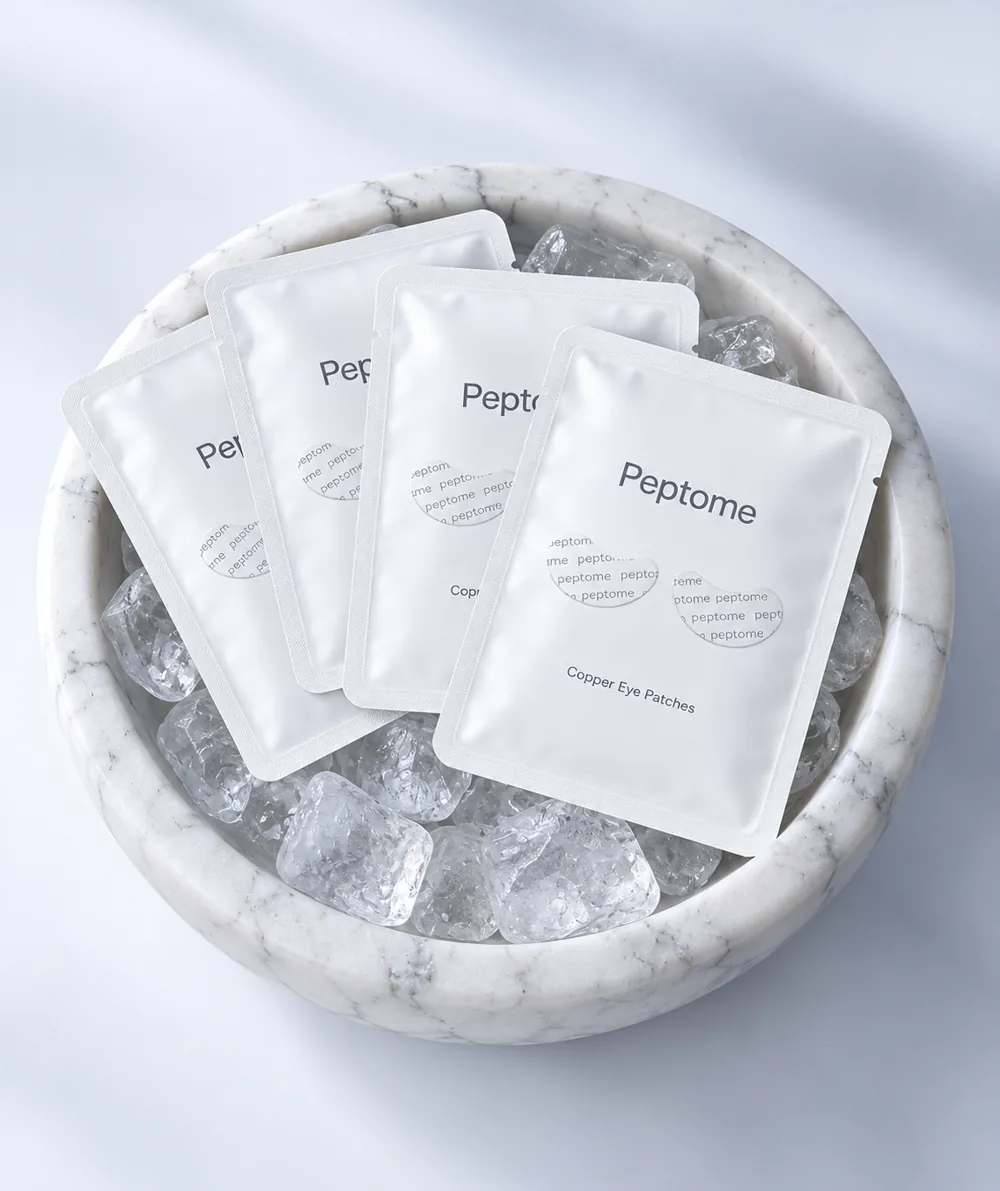
The honest comparison is this. An injection reaches more of you. A patch reaches the skin under your eyes, which is where you wanted it, without a needle, a clinic, or a conversation with a regulator. Peptome is the second thing. We don't claim it's the first.
Why a patch, and not a serum
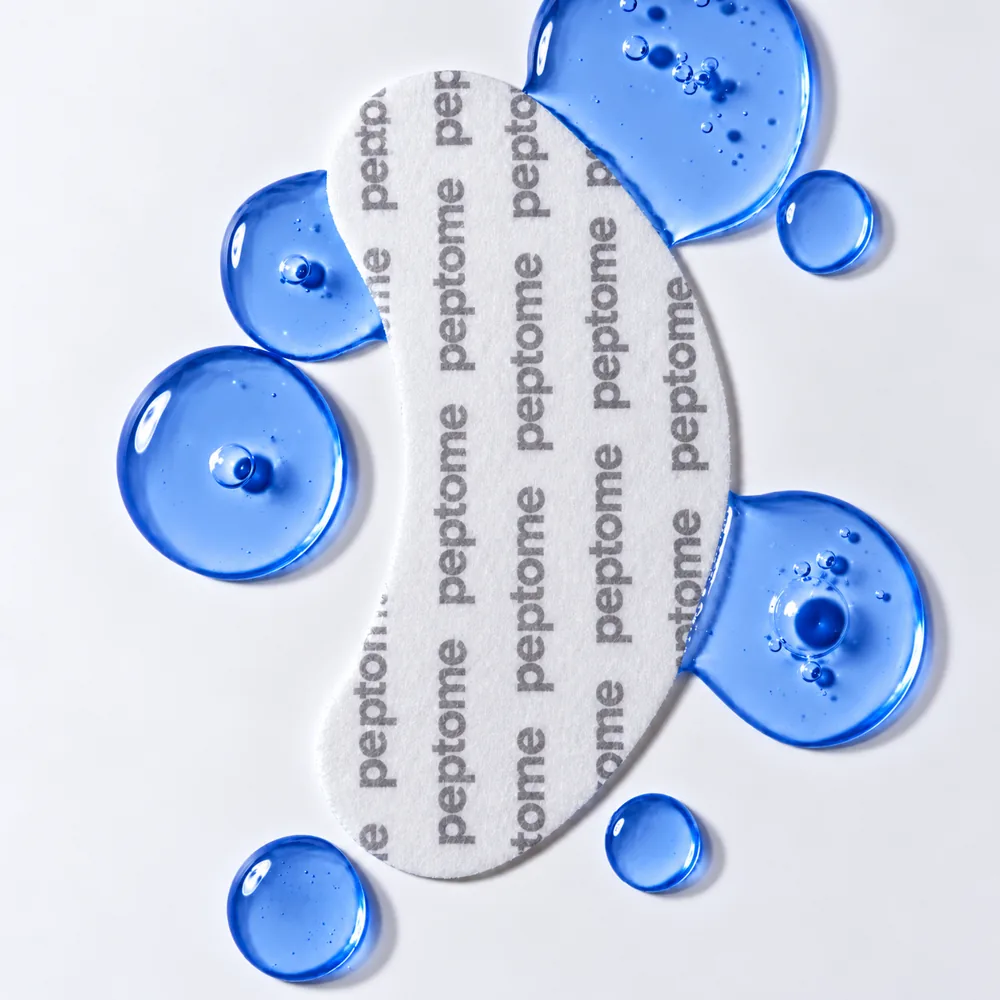
A serum is rubbed in and gone in a minute or two. A hydrogel patch holds the formula against the skin under light occlusion for twenty minutes, which raises the amount that penetrates and keeps the area cool, which is what caffeine needs to de-puff. The patch is a delivery method, not a gimmick.
There's a reason copper peptide is rare in patches: cost, and stability. GHK‑Cu is expensive and can be destabilised by the wrong base or the wrong pH. Our hydrogel is buffered to hold it, which is the part the factory is prouder of than the packaging.
What we won't claim
That it replaces retinoids. That it erases deep lines. That one patch changes collagen. GHK‑Cu is restorative and gradual, and any brand telling you otherwise is selling the buzzword, not the molecule. What you see in twenty minutes is caffeine and cooling. What GHK‑Cu does, it does over weeks of use, and quietly.
Two cautions. Don't layer it with strong acids or high-strength vitamin C at the same time. If you use prescription retinoids, alternate nights. Tingling for a minute on application is normal; irritation isn't, and means stop.
How much is in ours
We're confirming the exact percentage of copper tripeptide‑1 with the manufacturer and will publish it here, batch-tested. We publish it because almost nobody does, and because it's the only way to compare one product's claim with another's.